
Training Read at source ↗
 New SCOPE Workshop and EATS Maintenance Stream Tackle How to Train More Engineers Without Cutting Safety CornersEASA Folds New Simulator Rules and Task-to-Tool Provisions Into Its October Aircrew Rulebook
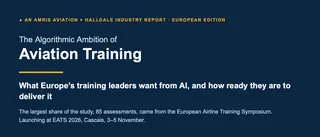 Survey of European Training Leaders: AI Interest Centres on EBT and CBTA Assessment, but Few Projects Have Named Sponsors
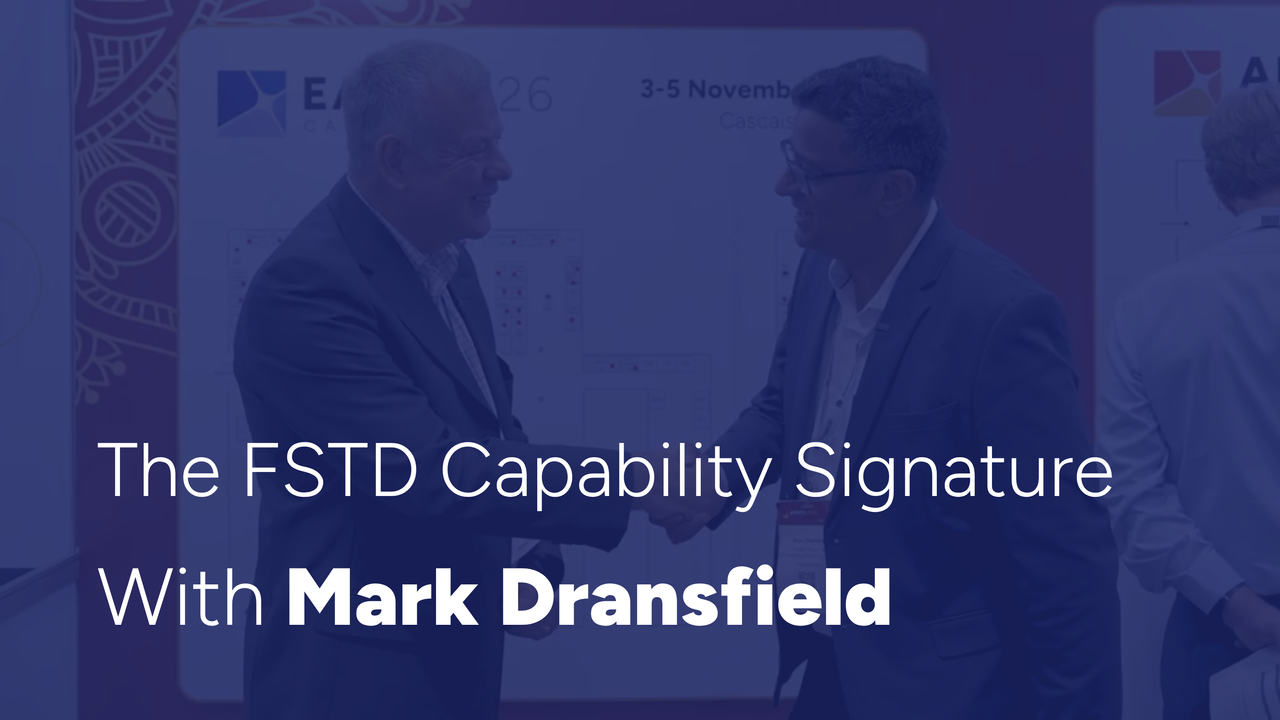 EASA's Simulator Capability Signature Gets a Panel Slot as a Bridge to CBTA and EBT
ASL Airlines Australia extends its Boeing 737 type-rating contract with Acron Aviation through 2028
Source: Halldale (Civil Aviation Training magazine)· 3 Sept 2026
Halldale
ASL Airlines Australia has extended its preferred-supplier agreement with Acron Aviation Commercial Training Solutions (CTS) to keep running Boeing 737 type-rating training through the end of 2028, alongside Airline Pilot Standards Multi-Crew Cooperation (APS MCC) training. APS MCC is designed to bridge the gap between a cadet's basic flying qualification and multi-crew airline operations, covering the crew-coordination and automation-management skills a type rating alone doesn't teach. The renewal follows what both companies describe as successful delivery of the 737 program at Acron's London Training Centre during the first half of 2026. Captain Nathan Burkitt, ASL Australia's head of training and checking, said feedback from trainees on the course, facilities, instructors and overall environment had been "overwhelmingly positive," and that graduates showed strong manual handling, automation management and aircraft-systems knowledge heading into their operator conversion training. The extension keeps the two companies' training relationship running for at least two more years without a competitive retender, giving ASL Australia continuity in how its 737 pilots are qualified rather than re-tendering the contract.
The renewed preferred-supplier deal covers 737 type-rating and multi-crew cooperation training at Acron's London training centre, following a successful first half of 2026. ASL's head of training cited strong trainee feedback on the course and facilities.
Original reporting
Halldale (Civil Aviation Training magazine)
Related in Training
Training
Halldale and T-C-Alliance are launching SCOPE, a two-day implementation workshop before EATS 2026, while the maintenance stream covers competency-based and digital CBTA delivery. Part-IS is the worked example for fitting new rules into training.
19 Oct 2026 · 1 min read
Source: Halldale· Emma Vandore
Training
EASA has issued an October 2026 revision of its consolidated Aircrew rules, incorporating amended requirements for flight simulation training devices and new material on devices carrying a capability signature. A gyroplane licensing decision is also included.
16 Oct 2026 · 1 min read
Source: EASA
Training
An Amris Aviation and Halldale report finds 44% of AI initiatives in aviation training target competency assessment and performance analytics under EBT and CBTA. Governance lags: 89% plan human override, yet under half have a named business sponsor.
15 Oct 2026 · 1 min read
Source: Halldale
Training
An APATS interview with consultant Mark Dransfield previews a EATS 2026 session on EASA's FSTD Capability Signature. It would qualify simulators by the tasks they can support rather than by fixed device labels, starting in 2028.
13 Oct 2026 · 1 min read
Source: Halldale Group
Latest in Training
01
02