
Training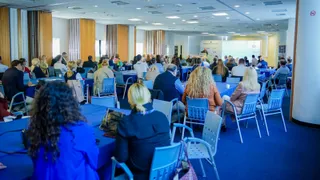 Read at source ↗EASA Folds New Simulator Rules and Task-to-Tool Provisions Into Its October Aircrew Rulebook
 Survey of European Training Leaders: AI Interest Centres on EBT and CBTA Assessment, but Few Projects Have Named Sponsors
 EASA's Simulator Capability Signature Gets a Panel Slot as a Bridge to CBTA and EBT
 Training Chiefs Agree the Real Bottleneck Is Instructors, and Grading Habits Are Part of the Problem
New SCOPE Workshop and EATS Maintenance Stream Tackle How to Train More Engineers Without Cutting Safety Corners
Halldale
A preview by Emma Vandore describes the maintenance stream at EATS 2026 and SCOPE, a new two-day workshop from Halldale and T-C-Alliance running just before the symposium. The guiding question is how maintenance can train more people, more effectively, without compromising safety. SCOPE concentrates on implementation instead of regulatory debate; moderator Claudio Marturano, T-C-Alliance's CEO and a former licensed engineer, uses EASA's Part-IS framework to illustrate how a requirement is absorbed into existing management systems and how staff are trained on it. Attendees are training managers, trainers and safety and compliance staff, who can earn certification through T-C-Alliance's accreditation scheme. Marturano contrasts the roughly five years needed to produce a licensed engineer with the shorter pilot pathway, citing his own four-year apprenticeship in Greenock. The stream's panels, with four to six speakers each, include Boeing, Airbus, ATR and EASA, and sessions cover competency-based maintenance training with speakers from Olympic Air, MBO College Airport and AERAUT. Further sessions look at AI in maintenance training, including T-C-Alliance's Maestro tool for building regulatory training content. Day two addresses digital CBTA implementation, factors beyond mandatory training, and the value of remote learning, VR and digital twins.
Halldale and T-C-Alliance are launching SCOPE, a two-day implementation workshop before EATS 2026, while the maintenance stream covers competency-based and digital CBTA delivery. Part-IS is the worked example for fitting new rules into training.
Original reporting
Halldale · Emma Vandore
Related in Training
Training
EASA has issued an October 2026 revision of its consolidated Aircrew rules, incorporating amended requirements for flight simulation training devices and new material on devices carrying a capability signature. A gyroplane licensing decision is also included.
16 Oct 2026 · 1 min read
Source: EASA
Training
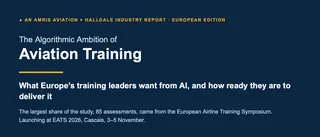
An Amris Aviation and Halldale report finds 44% of AI initiatives in aviation training target competency assessment and performance analytics under EBT and CBTA. Governance lags: 89% plan human override, yet under half have a named business sponsor.
15 Oct 2026 · 1 min read
Source: Halldale
Training
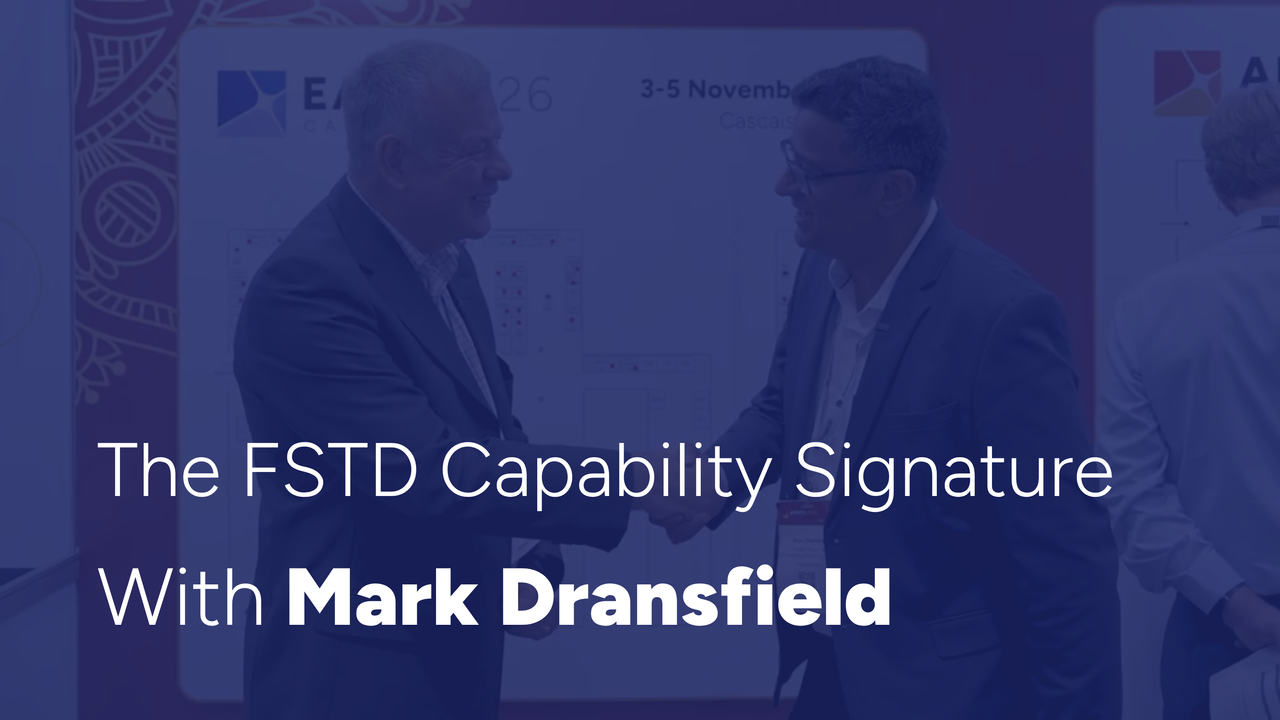
An APATS interview with consultant Mark Dransfield previews a EATS 2026 session on EASA's FSTD Capability Signature. It would qualify simulators by the tasks they can support rather than by fixed device labels, starting in 2028.
13 Oct 2026 · 1 min read
Source: Halldale Group
Training
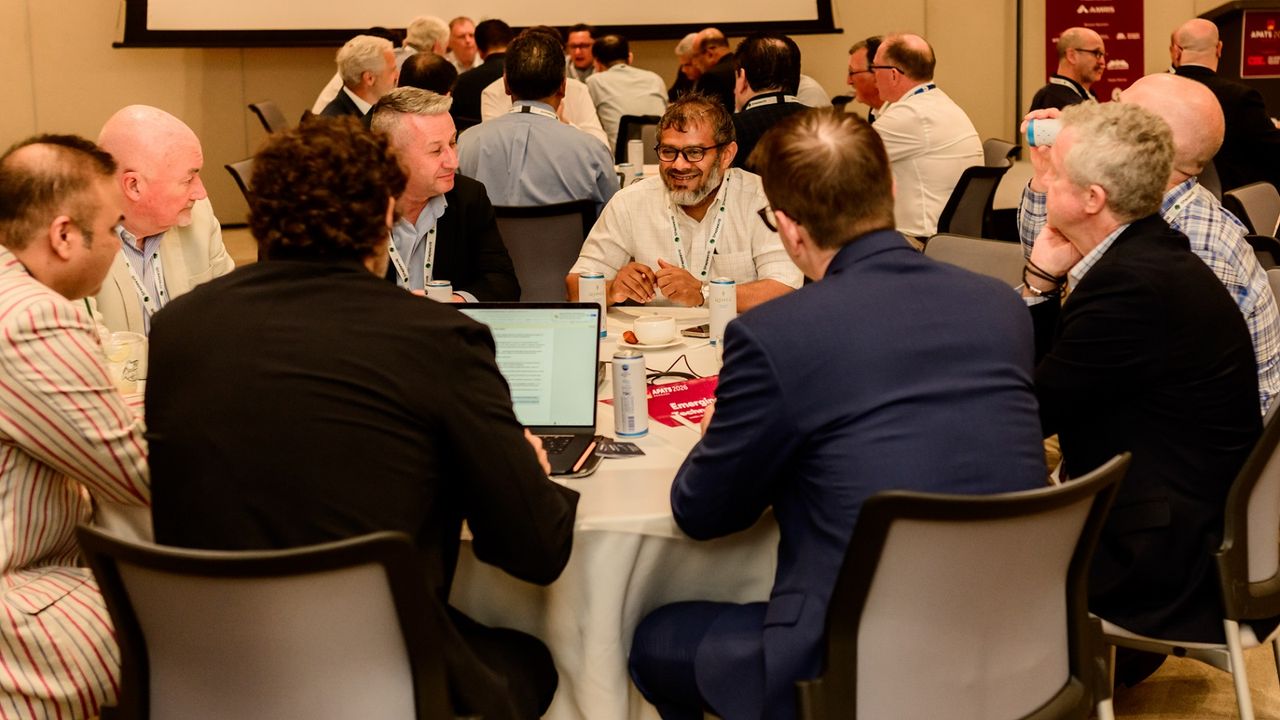
Ten roundtables at a Heads of Training meeting in Bangkok kept naming instructors, not simulators or candidates, as the biggest pipeline risk. Participants said standardisation efforts focus on grading while neglecting instructional skill, and described fixes to the middle-grade habit.
5 Oct 2026 · 1 min read
Source: Halldale Group· Emma Vandore
Latest in Training
01