
TechnologyRead at source ↗Southwest Becomes First US Airline With a ChatGPT Booking Plug-In, Built With OpenAI and AWS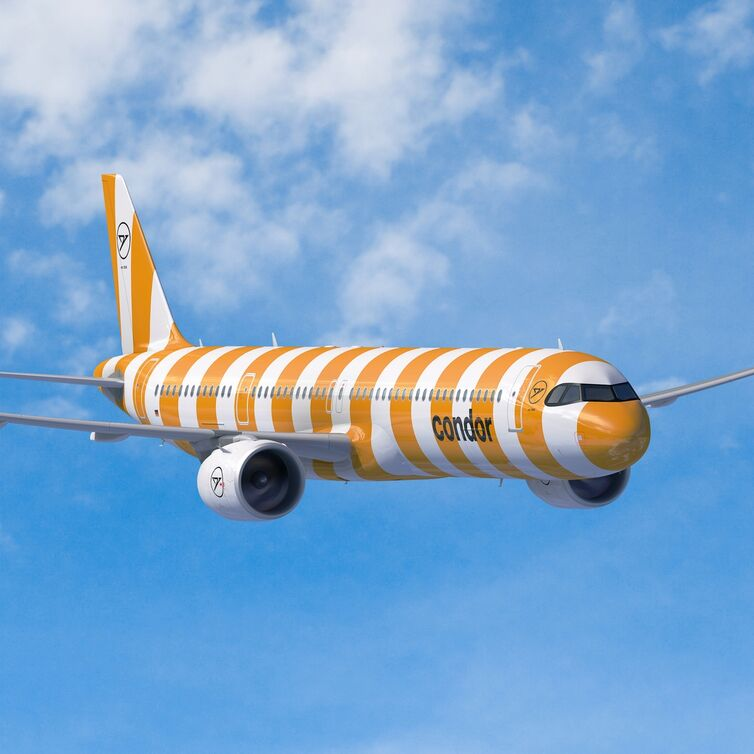 Condor Replaces Paper Tech Logs With a Fully Digital System Across About 60 Aircraft
 Tigerair Taiwan Signs a Five-Year Deal to Digitise Its Aircraft Records With flydocsIATA's Parts-Data Platform Adds Cost-Benchmarking Tools as Its User Base Passes 800 Airlines
Airlines Don't Need Another AI Strategy — They Need Someone With Authority to Run It
Source: World Aviation Festival· 23 Sept 2026
An analysis published on the World Aviation Festival's blog on September 23 argues that airlines' AI efforts are stalling not for lack of strategy documents, but because most carriers lack an operating model that assigns clear ownership and accountability once AI systems move from pilot projects into live production. The piece, credited to consultancy DataArt, contends that the shift from advisory AI tools to autonomous agents that act directly on operational systems makes this governance gap increasingly consequential, since mistakes can no longer be caught by a human reviewing a recommendation before it takes effect. Its central recommendation is a centralised coordination function — something like an AI Centre of Excellence — that holds genuine authority rather than an advisory seat: control over which use cases get built and in what order, enforced technical guardrails built into delivery pipelines, named ownership of data quality, and compliance checkpoints triggered automatically by regulatory requirements. The analysis argues this function needs "real teeth," holding the project intake queue, the release gate and an actual budget rather than merely convening meetings. It cites BCG research across more than 1,000 AI implementations finding that returns depend roughly 70% on people and process changes and only 10% on the underlying algorithms, and separate McKinsey findings that fewer than one in ten enterprises have successfully scaled AI agents despite widespread experimentation. As practical illustration, the piece suggests airlines should prioritise unglamorous use cases like fuel invoice reconciliation, where the existing manual workload is large and well understood, ahead of higher-profile but less-proven projects like customer-facing chatbots.
An industry analysis argues most carriers already have AI strategies but lack the governance structure to make them stick once systems move from pilots into production. It calls for a central function with real budget and veto power, not just advisory input.
Original reporting
World Aviation Festival
Related in Technology
Technology
Southwest Airlines has launched a plug-in that lets customers search for fares inside ChatGPT, then finish the purchase on its own website. It was developed with OpenAI and Amazon Web Services.
7 Oct 2026 · 1 min read
Source: World Aviation Festival· Elsie Clark
Technology
The airline went live on AMOSeTL in July after parallel testing that began in December, with every pilot, cabin crew member and mechanic trained by June. The system has separate pilot, cabin and maintenance modes.
30 Sept 2026 · 1 min read
Source: Aircraft IT
Technology
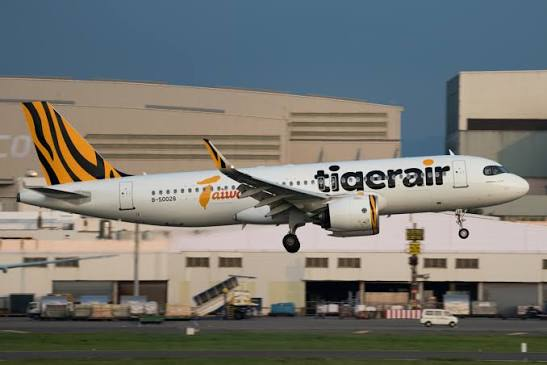
The Lufthansa Technik-owned records specialist will roll out its DRM Next Generation platform across the low-cost carrier's 17 aircraft. The agreement was signed at MRO Asia-Pacific in Singapore.
30 Sept 2026 · 1 min read
Source: Aircraft IT
Technology
New features on MRO SmartHub include a benchmark that flags cheaper FAA-approved parts alternatives and supply-chain performance metrics built from real transaction data. IATA is offering free core access to airlines that contribute their own purchasing data.
24 Sept 2026 · 1 min read
Source: IATA
Latest in Technology
01