
Training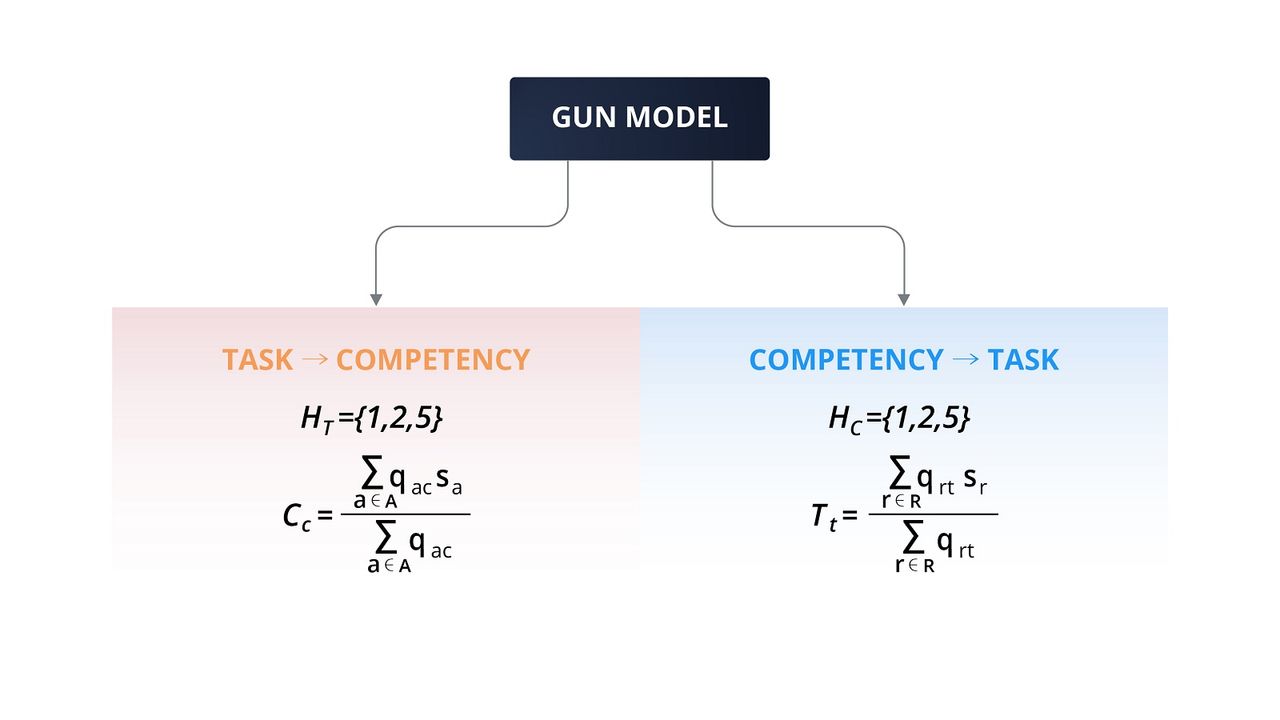 Read at source ↗
 New SCOPE Workshop and EATS Maintenance Stream Tackle How to Train More Engineers Without Cutting Safety CornersEASA Folds New Simulator Rules and Task-to-Tool Provisions Into Its October Aircrew Rulebook
 Survey of European Training Leaders: AI Interest Centres on EBT and CBTA Assessment, but Few Projects Have Named Sponsors
 EASA's Simulator Capability Signature Gets a Panel Slot as a Bridge to CBTA and EBT
A new grading model ties pilot task scores to the specific behaviours behind them
Source: Halldale (Civil Aviation Training magazine)· 31 Aug 2026
Halldale
Traditional pilot assessment forms often separate task scores from competency ratings, leaving instructors unable to trace why a maneuver failed or which behaviour drove a weak competency mark. Astrom's GUN Model instead links all three — task, competency, and specific observable behaviours — through what it calls a "governed mapping layer" that preserves the instructor's original judgment while standardising how scores connect. The system supports grading from either direction: a low task score requires flagging the behaviour behind it, and a low competency score requires linking back to the task where it showed up, with a safeguard so no single rating counts twice. Astrom is presenting the model this week at the Asia Pacific Aviation Training Summit.
Astrom Training Solutions has introduced the GUN Model, which links task, competency and observable-behaviour scores so a failing grade always points to its underlying cause. The company says the approach cuts down on inconsistent grading between instructors and produces cleaner data for spotting training trends.
Original reporting
Halldale (Civil Aviation Training magazine)
Related in Training
Training
Halldale and T-C-Alliance are launching SCOPE, a two-day implementation workshop before EATS 2026, while the maintenance stream covers competency-based and digital CBTA delivery. Part-IS is the worked example for fitting new rules into training.
19 Oct 2026 · 1 min read
Source: Halldale· Emma Vandore
Training
EASA has issued an October 2026 revision of its consolidated Aircrew rules, incorporating amended requirements for flight simulation training devices and new material on devices carrying a capability signature. A gyroplane licensing decision is also included.
16 Oct 2026 · 1 min read
Source: EASA
Training
An Amris Aviation and Halldale report finds 44% of AI initiatives in aviation training target competency assessment and performance analytics under EBT and CBTA. Governance lags: 89% plan human override, yet under half have a named business sponsor.
15 Oct 2026 · 1 min read
Source: Halldale
Training
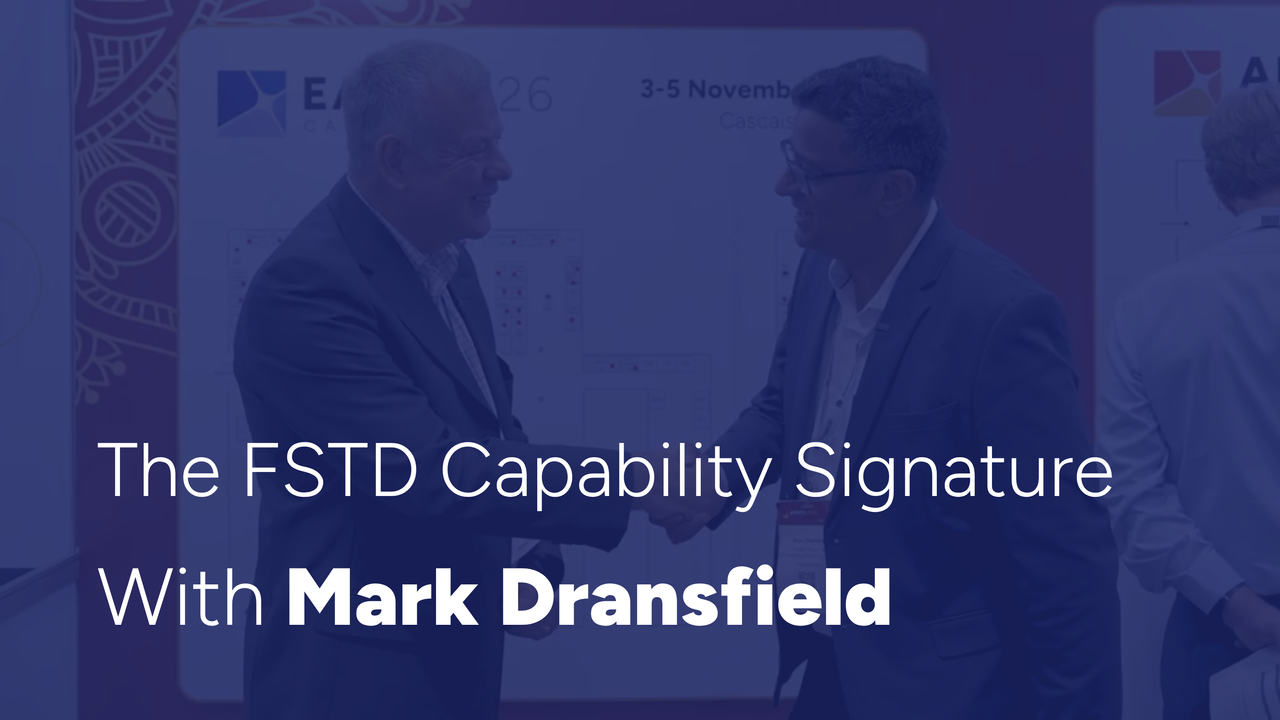
An APATS interview with consultant Mark Dransfield previews a EATS 2026 session on EASA's FSTD Capability Signature. It would qualify simulators by the tasks they can support rather than by fixed device labels, starting in 2028.
13 Oct 2026 · 1 min read
Source: Halldale Group
Latest in Training
01
02